Two transmasculine archives created in Argentina, one of them following one of the nation’s first massive meetings of trans men and other transmasculine individuals in the city of Córdoba.


Two transmasculine archives are created in Argentina…
Two transmasculine archives created in Argentina, one of them following one of the nation’s first massive meetings of trans men and other transmasculine individuals in the city of Córdoba.
Trans and travesti workers in Argentina’s public sector begin organizing under the name Zaguán TranSindical…
Trans and travesti workers in Argentina’s public sector, many of whom had been hired through the national and county-wide travesti-trans quotas, begin organizing under the name Zaguán TranSindical. Zaguán TranSindical aims to improve conditions for all workers and bring trans issues to the attention of labor unions. When the national government begins firing employees in 2024 under Javier Milei’s presidency, Zaguán successfully appeals the dismissal of several trans individuals.

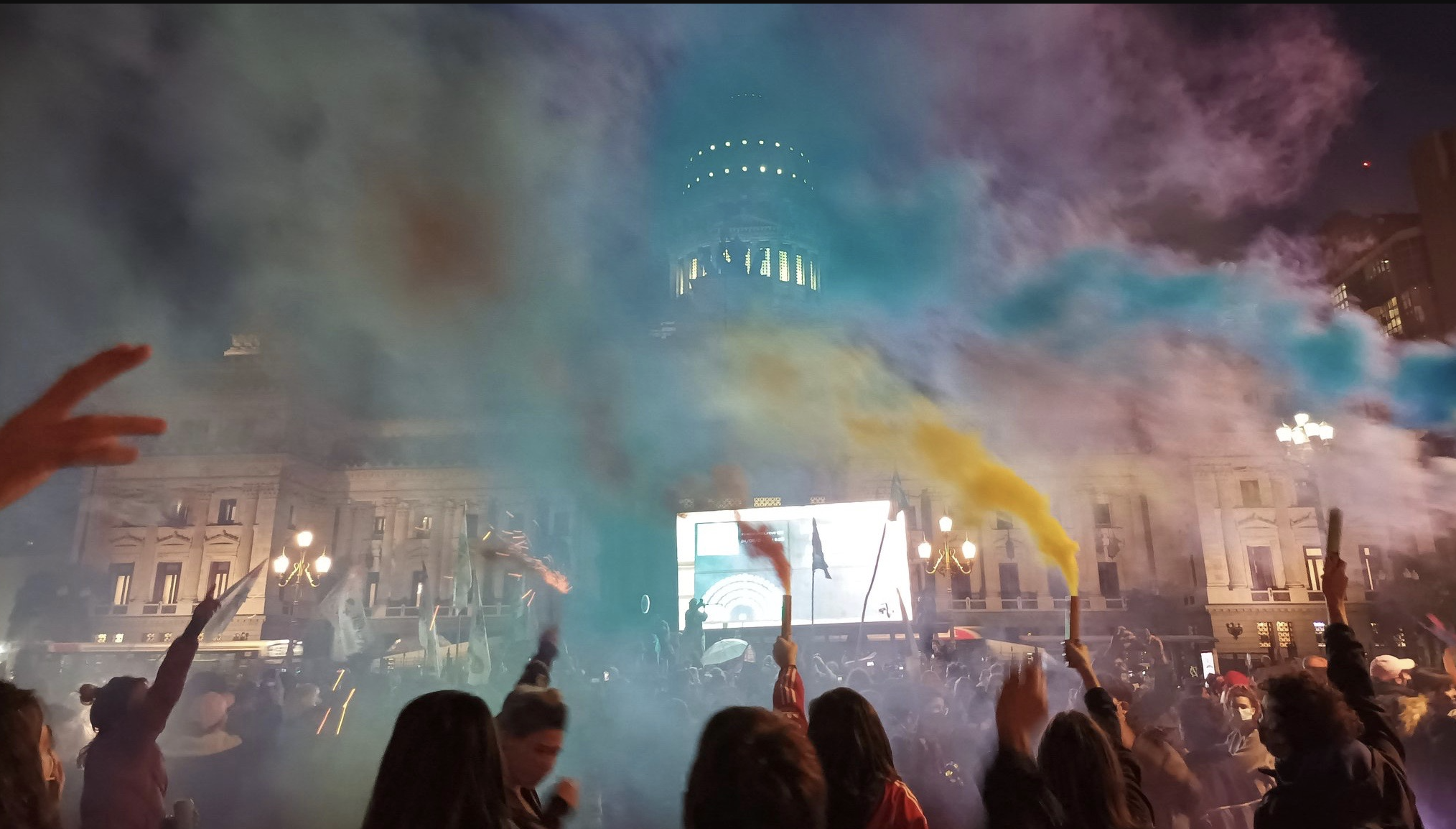
A rally from Argentina’s marea verde (green tide), the feminist movement in favor of expanding abortion rights…
Travestis and trans people help organize with Argentina’s marea verde (green tide), the feminist movement in favor of expanding abortion rights. Travesti activists like Lohana Berkins are among the first public supporters of abortion, pointing out that bodily autonomy is a shared principle among both movements. Transmasculine people also highlight that abortion rights are needed by many people who aren’t women.

The province of Buenos Aires, Argentina, passes a law that reserves 1% of jobs in the provincial public sector for travestis and trans people. This quota was a direct result of grassroots travesti-trans activism, headed by working-class, travesti activist Diana Sacayán.
The province of Buenos Aires, Argentina, passes a law that reserves 1% of jobs in the provincial public sector for travestis and trans people. This quota was a direct result of grassroots travesti-trans activism, headed by working-class, travesti activist Diana Sacayán.
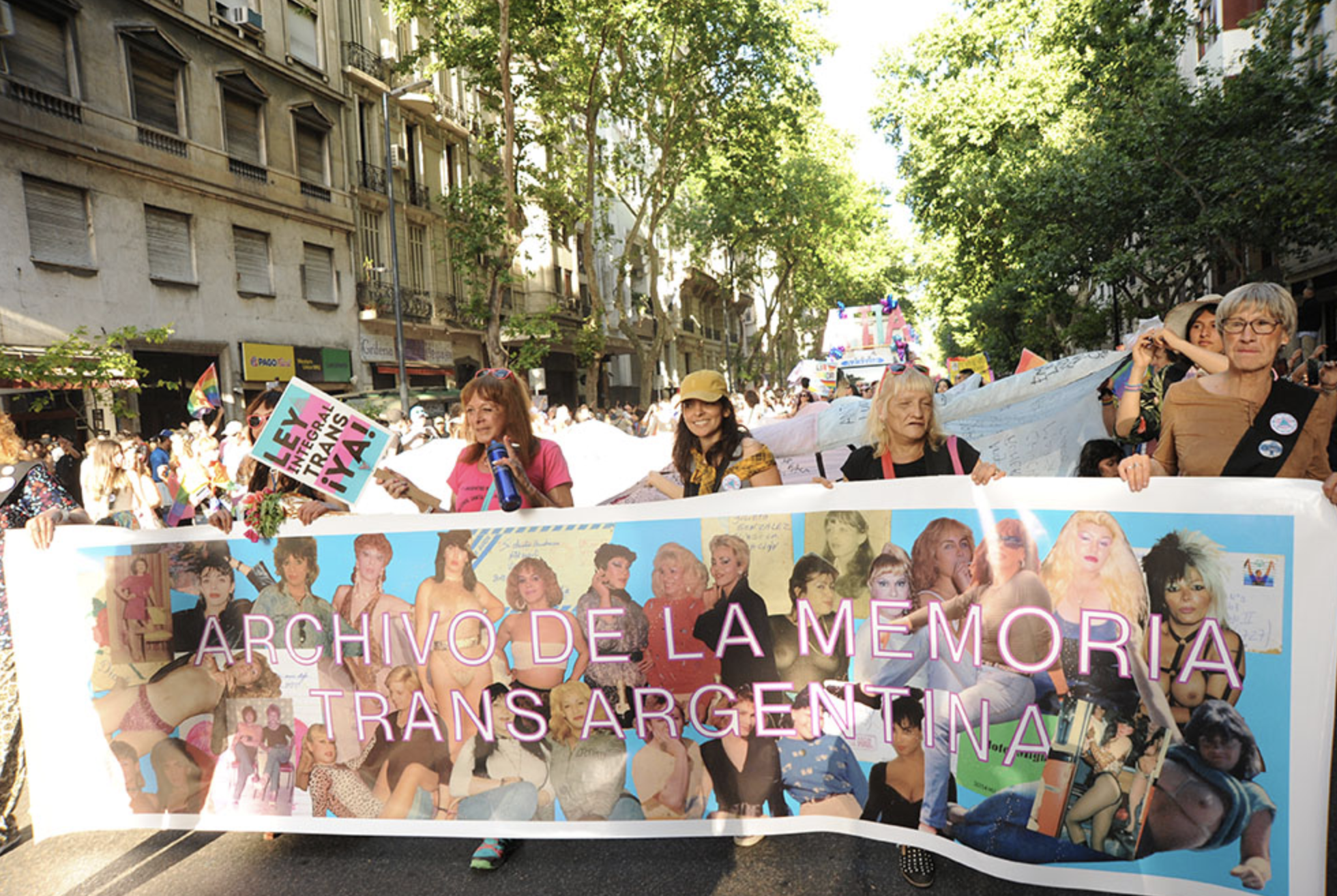
Following Baudracco’s death in 2012, the AMT is formalized in 2014 as a digital preservation project to protect the historical memory of the travesti/trans community from the early 1900s to the present…
The Trans Memory Archive (AMT) of Argentina is created, first conceived in the 1990s by travesti-trans activists, Claudia Pía Baudracco and María Belén Correa. Following Baudracco’s death in 2012, the AMT is formalized in 2014 as a digital preservation project to protect the historical memory of the travesti/trans community from the early 1900s to the present. The Archive inspires several other memory projects across Latin America.
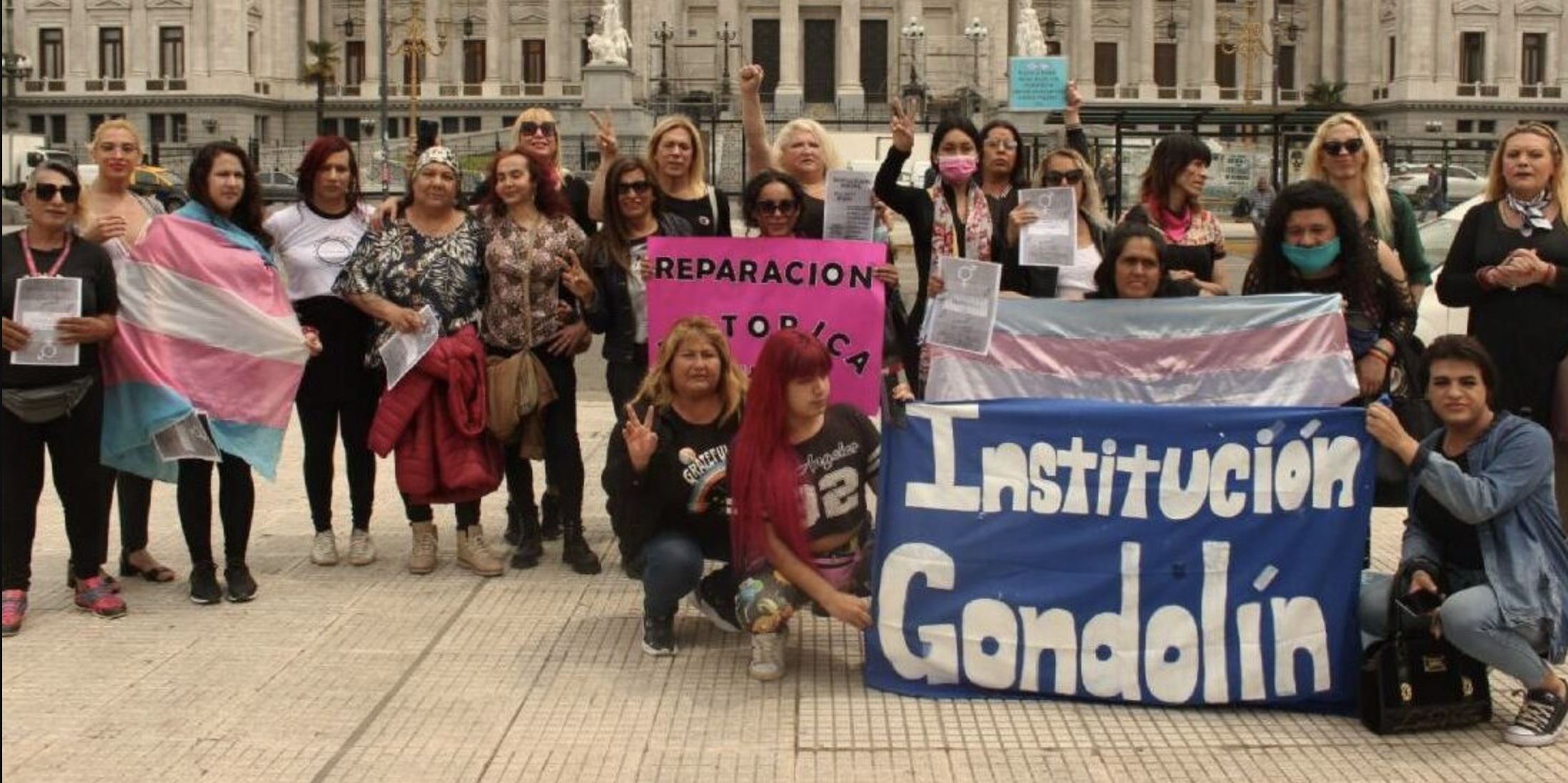
The trans travesti movement for reparations begins
Starting in 2014, trans organizations present several bills in Argentina demanding economic reparations for travestis and trans people, targeted by the police for their gender identity. As of yet, none of these initiatives have been approved by the National Congress, but in 2023, the province of Santa Fe passes the Post-Dictatorship Reparation Law for Trans and Travesti People. These groups continue to fight for reparations.
Activists design the most progressive “Gender Identity Law” in history…
Argentina passes the Gender Identity Law, designed by a broad coalition of grassroots organizations, all led by trans people and travestis. The Law mandates public access to trans-specific healthcare and the ability to change name and gender marker on legal identification. The law is considered to be the first in the world to mandate gender self-determination without the need for approval by judges or medical professionals. It also inspires similar legislative efforts in nations across the world.

The Mocha Celis Travesti-Trans High School is created…
The Mocha Celis Travesti-Trans High School is created to provide inclusive formal education to the travesti-trans community in Buenos Aires. Named for pioneering activist, Mocha Celis, the school is the world’s first trans-specific high school to integrate requirements in diversity and human-rights based education. The school has inspired the creation of similar schools across both Argentina and the Americas.

Human rights experts publish the Yogyakarta Principles…
Human rights experts around the world publish the Yogyakarta Principles, which detail how international human rights law can be applied to issues of gender identity and sexual orientation. The principles form the basis for several future legislative efforts in Argentina, including the Gender Identity Law of 2012, and other coalition-based activism.
